Best Emotional Support Animals for New Mexico Apartments — A Clinician-Vetted Lineup
Finding the right emotional support animal for an apartment in Albuquerque, Santa Fe, Las Cruces, or anywhere across the Land of Enchantment is a decision that deserves careful, clinician-informed thought. The animal you choose will share your living space, adapt to your lifestyle, and — when you hold a valid ESA letter issued by a licensed mental health professional (LMHP) licensed in New Mexico — be protected under the federal Fair Housing Act (FHA) regardless of a landlord's standard pet policy.
That federal protection, detailed in HUD's landmark guidance document FHEO-2020-01 (Assessing a Person's Request to Have an Animal as a Reasonable Accommodation Under the Fair Housing Act), means that housing providers covered by the FHA must make a reasonable accommodation for an ESA when presented with appropriate documentation from a qualifying LMHP. What it does not mean is that any animal, issued through any online registry or database, automatically qualifies. HUD has explicitly confirmed that online ESA registries, ID cards, and "certification" websites carry no legal weight whatsoever. Only an ESA letter from a licensed clinician holds standing under the law.
With that foundation in place, the practical question becomes: which animals tend to be the best emotional support animals for apartment living in New Mexico? The list below is clinician-informed, grounded in behavioral science, and attentive to the realities of New Mexico apartment environments — from high-altitude casitas in Taos to sun-baked complexes in the Mesilla Valley. Whether you are exploring this path for the first time or deepening your understanding before speaking with a licensed clinician, this guide is designed to help you think clearly.
Disclaimer: This article is informational only and does not constitute medical, mental health, or legal advice. It does not establish a clinician-client relationship. Every individual's therapeutic needs are unique, and only a New Mexico-licensed mental health professional can determine whether an ESA is therapeutically appropriate for you. For housing disputes, consult a New Mexico-licensed attorney or contact your local legal aid office for FHA enforcement guidance.
How ESA Housing Protections Work in New Mexico Apartments
Before diving into the lineup, a brief orientation on the legal landscape is worthwhile. Under the FHA and HUD's FHEO-2020-01 guidance, a housing provider — including most private landlords, property management companies, and homeowners' associations — must consider a reasonable accommodation request for an ESA. This applies even in buildings with strict no-pet policies and even when breed or weight restrictions are in place. New Mexico does not have a separate state ESA statute that significantly expands or narrows these federal protections, so the federal FHA framework governs the core of your rights.
What triggers this protection is a valid ESA letter from an LMHP who is licensed in New Mexico and who has conducted a genuine clinical assessment of your mental health needs. A letter produced by an unvetted online questionnaire — or worse, purchased from a site offering "instant" or "same-day guaranteed" letters — will likely not satisfy HUD's reliability standards and could expose you to housing complications. For a deeper look at what a compliant New Mexico ESA housing letter must contain, see our guide on New Mexico ESA housing letters and FHA compliance.
With that legal grounding established, here are the ten animals most commonly found to be well-suited for New Mexico apartment living — evaluated across dimensions of temperament, space requirements, noise, allergen profile, and therapeutic versatility.
The 10 Best Emotional Support Animals for New Mexico Apartments
1. Dogs (Select Apartment-Friendly Breeds)
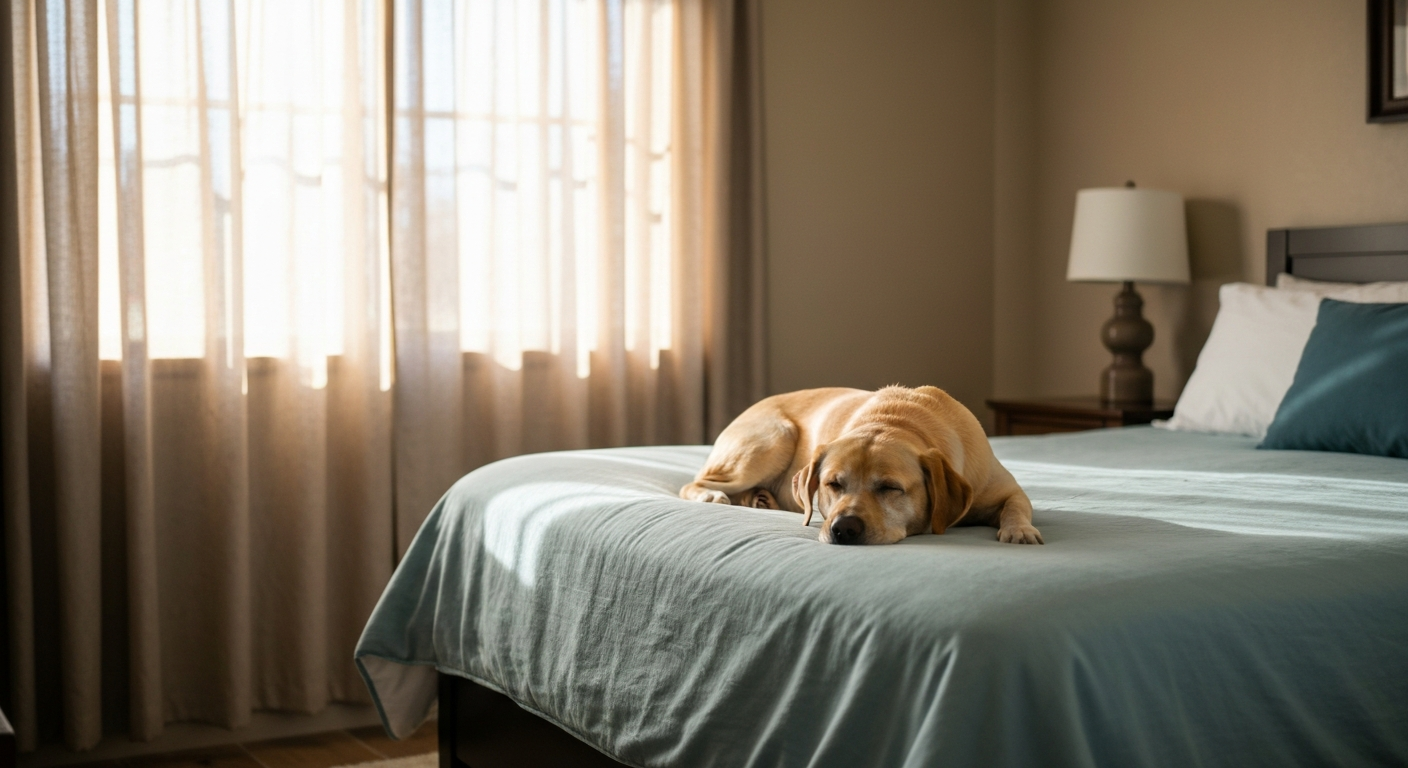
Dogs remain the most widely recognized emotional support animals, and for good reason: the human-canine bond is among the most extensively studied relationships in the animal-assisted intervention literature. Physical touch, routine, and the reciprocal social engagement that dogs provide may be profoundly beneficial for individuals managing anxiety, depression, PTSD, and a range of other conditions that a licensed clinician might identify as qualifying mental health disabilities. That said, not all dogs are equally suited to apartment living, and choosing the right breed or temperament profile matters enormously — for the animal's wellbeing and for your relationship with your landlord and neighbors.
In New Mexico apartments, smaller to medium-sized breeds with lower exercise demands and calmer temperaments tend to integrate most smoothly. Breeds such as Cavalier King Charles Spaniels, French Bulldogs, Shih Tzus, and mixed-breed dogs with similar temperament profiles are frequently mentioned in apartment-context discussions. Equally important is individual temperament: a well-socialized, low-anxiety dog of almost any size can thrive in a well-managed apartment environment. It is worth noting that even if a landlord has a breed restriction or weight limit, a valid ESA letter can support a reasonable accommodation request under the FHA — though complex landlord disputes are best navigated with guidance from a New Mexico-licensed attorney.
Practical grooming, exercise, and behavioral training considerations are heightened in the high-desert climate of New Mexico, where summer heat can affect outdoor exercise timing and air quality events are not uncommon. Basic training — recall, leash manners, and calmness around neighbors — is important for any ESA dog, and our resource on ESA training basics in New Mexico offers a useful starting point. For a deeper look at breed-specific considerations, visit our dedicated guide on ESA dogs for New Mexico apartments.
Practical Takeaway: Choose a dog whose daily exercise and stimulation needs you can realistically meet within your apartment's square footage and the surrounding neighborhood. A calm, well-trained dog is both a better therapeutic companion and a stronger case for your reasonable accommodation request.
2. Cats
Cats are, in many respects, the quintessential apartment ESA. Their self-contained nature, relatively low space requirements, and quiet presence make them exceptionally well-suited to the smaller footprints common in New Mexico apartment living — from the historic adobe-style units near Old Town Albuquerque to modern complexes in Rio Rancho. Research consistently suggests that the rhythmic act of stroking a cat, and the calming effect of a cat's purring (which registers at frequencies associated with physical and emotional healing), may support reduced cortisol levels and a lowered physiological stress response in many individuals.
From a practical standpoint, cats require far less active management than dogs: they do not need to be walked, they self-groom, and most adapt readily to indoor-only environments. For apartment dwellers who travel for work, keep irregular hours, or have limited physical mobility, a cat's independence can be a genuine advantage rather than a therapeutic compromise. Certain breeds — such as Ragdolls, Scottish Folds, British Shorthairs, and domestic mixed-breeds with calm temperaments — are particularly noted for their affectionate, low-drama personalities.
Allergen management is a real consideration in New Mexico's dry climate, where dust and pollen already challenge many residents. If you or someone in your household has sensitivities, lower-dander breeds or regular grooming routines can help. Our detailed resource on ESA cats in New Mexico explores breed selection, enrichment strategies, and apartment-specific care in much greater depth.
Practical Takeaway: A cat's quiet, self-sufficient presence makes it one of the most landlord-friendly and therapeutically versatile ESA options for New Mexico apartment residents. Invest in vertical enrichment (cat trees, window perches) to support your animal's wellbeing in an indoor environment.
3. Rabbits
Rabbits occupy a fascinating therapeutic niche: they are soft, responsive, and capable of forming genuine bonds with their caregivers, yet they are nearly silent and require no outdoor access — attributes that make them highly compatible with apartment living. Many individuals who benefit from tactile comfort and the grounding experience of gentle animal interaction find that rabbits offer a surprisingly rich emotional connection, particularly for those who may have dog allergies or whose housing situation makes a larger animal impractical.
Domestic rabbits are more socially complex than they are often given credit for. They recognize their caregivers, develop routines, and will actively seek physical contact when they feel secure. Breeds such as the Holland Lop, Mini Rex, and Lionhead are frequently recommended for apartment environments due to their manageable size and sociable temperament. Rabbits do require space to exercise outside of their enclosure each day — typically a few hours in a rabbit-proofed area — and their diet and dental health require attentive care, so prospective ESA rabbit owners should be prepared for meaningful husbandry responsibilities.
From a housing perspective, rabbits present a compelling case for landlords who might otherwise resist ESA accommodations: they are odor-neutral when properly cared for, silent, and cause minimal property impact when their enclosure and exercise area are thoughtfully managed. For more on selecting and caring for a rabbit ESA in a New Mexico apartment, see our full guide on rabbits as emotional support animals in New Mexico.
Practical Takeaway: Rabbits are an underrated apartment ESA choice — especially for individuals who value quiet, tactile comfort, and a manageable care routine. Proper housing, diet, and daily interaction are non-negotiable for the animal's health and the therapeutic relationship to thrive.
4. Guinea Pigs
Guinea pigs — or cavies, as they are known in the veterinary community — are gentle, vocal in a charming rather than disruptive way, and remarkably attuned to human interaction. Their soft "wheeking" vocalizations and calm temperament make them appealing to a wide range of individuals, including children and adults managing social anxiety, who may find smaller animals less overwhelming to engage with than dogs or cats. The tactile experience of holding a guinea pig and feeling its small, steady heartbeat can be a genuinely grounding sensory experience for many people.
From an apartment-management perspective, guinea pigs are low-risk: they are quiet enough not to disturb neighbors, require modest square footage for their enclosure, and do not damage flooring or furniture. They are social animals and thrive in pairs, which means the commitment is to two animals rather than one — but this also means the animals support each other during the hours their owner is away, reducing the potential for stress-related behaviors. A clean, well-ventilated enclosure managed with appropriate bedding is essential, particularly in New Mexico's dry climate where respiratory health is a consideration for small mammals.
Guinea pigs tend to be especially well-suited to individuals who benefit from structured routine — feeding times, handling sessions, and enclosure cleaning create a reliable daily rhythm that many mental health professionals describe as therapeutically valuable in its own right. They are also a strong choice for apartment dwellers who are new to ESA ownership and looking for a manageable, rewarding starting point.
Practical Takeaway: Consider adopting guinea pigs in bonded pairs for optimal animal welfare. Their structured care routine and gentle responsiveness make them a quietly powerful therapeutic companion for New Mexico apartment living.
5. Birds (Small to Medium Companion Species)
The human-avian bond is ancient and profound, and for individuals whose mental health needs involve loneliness, depression, or the need for structured social interaction, certain bird species can offer a level of companionship that is both cognitively stimulating and emotionally sustaining. Parakeets (budgerigars), cockatiels, lovebirds, and small conures are among the species most commonly considered in apartment ESA contexts — they are manageable in size, capable of learning vocalization and social cues, and form strong attachments to consistent caregivers.
It is important to be thoughtful about noise levels when selecting a bird species for an apartment setting. Cockatiels are generally regarded as one of the better apartment-friendly options: they are expressive and interactive without the volume of larger parrots, and their whistling is musical rather than disruptive. Conures, while deeply affectionate, can be significantly louder and may require additional consideration in buildings with thin walls or close neighbors. In all cases, a spacious cage, species-appropriate enrichment, and consistent daily interaction are central to the bird's wellbeing and the therapeutic value of the relationship.
New Mexico's dry, high-desert air requires that bird owners pay particular attention to humidity and air quality inside the apartment. Teflon-coated cookware and certain scented products release fumes that are toxic to birds — an important safety consideration for any household with an avian ESA. A thoughtful owner who manages these environmental factors will find that a companion bird can provide a uniquely rich form of daily emotional engagement.
Practical Takeaway: Choose your bird species with noise tolerance in mind — both yours and your neighbors'. A well-socialized cockatiel or parakeet can be a joyful, deeply interactive ESA well-suited to New Mexico apartment life with proper environmental management.
6. Hamsters and Gerbils
For individuals whose living situation demands the smallest possible ESA footprint — studio apartments, shared housing, or situations where a larger animal simply is not feasible — hamsters and gerbils offer a genuine therapeutic option. Their primary therapeutic value lies in the meditative quality of their care: watching a hamster navigate an enriched enclosure, handling a gerbil that has grown comfortable with human contact, and maintaining the small but meaningful routines of feeding and cleaning can provide calming, purpose-driven daily engagement.
Hamsters are solitary animals (Syrian hamsters in particular should not be housed together) and are primarily active at dawn and dusk, making them well-suited to individuals who keep non-traditional schedules. Gerbils, by contrast, are highly social and thrive in same-sex pairs, offering a more visually active and interactive experience during daytime hours. Both species are virtually silent, odor-minimal with appropriate care, and occupy a very small physical and financial footprint — advantages that are not insignificant for individuals managing the cumulative stressors that often accompany mental health challenges.
While hamsters and gerbils may not offer the same level of reciprocal social bonding as cats, dogs, or rabbits, the consistent, ritualized nature of their care — and the simple, grounding act of observing a small creature living its life — should not be underestimated as a form of therapeutic engagement. For many individuals, the low-demand quality of small-mammal care is precisely the point.
Practical Takeaway: Hamsters and gerbils are ideal for individuals who need a genuine ESA connection within the most compact possible living arrangement. Invest in an enriched, spacious enclosure — the quality of their environment directly influences the quality of the therapeutic experience.
7. Fish (Aquarium Species)
It may surprise some readers to encounter fish on a clinician-informed ESA list, but the evidence base for aquarium-watching as a stress-reduction modality is more substantial than popular perception might suggest. Research has demonstrated that observing fish in a naturalistic aquarium setting is associated with reduced heart rate, lower blood pressure, and diminished anxiety — effects that have been documented in clinical, dental, and residential settings alike. For individuals with significant anxiety or sensory sensitivities, a carefully maintained aquarium can provide a reliably calming environmental anchor within the apartment.
From a practical housing standpoint, fish are among the most unobtrusive ESA options available: they are silent, contained entirely within their tank, and present virtually zero risk of property damage or noise complaints. Aquarium maintenance does require consistent effort — water quality, feeding, filtration, and species compatibility all demand attention — and this structured responsibility can itself carry therapeutic value, offering a sense of purpose and daily routine. In New Mexico's hard-water regions, water chemistry management is an additional consideration worth researching before selecting species.
It is worth noting that while fish may qualify as emotional support animals under HUD's FHEO-2020-01 framework when supported by appropriate clinical documentation, they represent a less common ESA category and landlords may occasionally question the accommodation. Having a thorough, well-documented ESA letter from a New Mexico-licensed clinician is particularly important in these cases.
Practical Takeaway: A well-maintained freshwater aquarium can serve as a genuinely therapeutic environmental feature for individuals whose mental health needs center on anxiety reduction and sensory calming. Ensure your ESA letter is detailed and professionally prepared — documentation quality matters when the accommodation request is less conventional.
8. Miniature Pigs
Miniature or "teacup" pigs have grown in visibility as companion animals, and their intelligence, social responsiveness, and trainability make them genuinely viable ESA candidates for certain individuals. Pigs are among the most cognitively complex domestic animals — they learn routines quickly, recognize their caregivers by voice and scent, and can be trained to use a litter box, which is a meaningful practical advantage in an apartment context. For individuals who find dogs too high-energy or cats too independent, a miniature pig may occupy an interesting middle ground.
A critical caveat is warranted here: the term "miniature pig" is used inconsistently in commercial breeding, and many animals sold as "teacup pigs" grow significantly larger than advertised — sometimes exceeding 50 to 100 pounds at full maturity. Any prospective ESA pig owner should research breeders extremely carefully and understand that even a genuinely small pig will require more physical space, outdoor access, and behavioral management than a cat or small dog. New Mexico's climate is generally favorable for pigs in terms of temperature management, but apartment square footage and outdoor space access are real constraints to evaluate honestly.
From a housing accommodation perspective, miniature pigs are a category where landlord resistance may be higher, and where the quality and specificity of your ESA letter and supporting documentation will matter considerably. Consulting a New Mexico-licensed attorney before pursuing this accommodation in a resistant housing context is a prudent step.
Practical Takeaway: Miniature pigs can be exceptional ESA companions for the right person in the right living situation, but they require significant research, realistic space assessment, and robust clinical documentation. Be cautious of breeders making unrealistic size claims.
9. Ferrets
Ferrets occupy a distinctive therapeutic niche: they are playful, highly social, and engaging in ways that can bring genuine levity and joy into an apartment environment — qualities that hold particular therapeutic relevance for individuals managing depression or social withdrawal. Their mischievous energy and curiosity can encourage caregivers to be present, active, and engaged in ways that break cycles of passive rumination. At the same time, ferrets sleep for a significant portion of the day, making them manageable companions rather than constant-demand animals.
Ferrets require ferret-proofed living spaces (they are escape artists and will investigate any gap or opening), a high-quality diet, and veterinary care from a provider experienced with exotic companion mammals. Their distinctive musky scent — even in neutered and descented animals — is a real consideration in small apartment spaces, and regular cage cleaning and proper diet management are essential to keeping odor minimal. In New Mexico, it is worth confirming local ordinances, as ferret ownership regulations can vary at the municipal level.
Ferrets are social animals and generally thrive in pairs or small groups, which multiplies both the enrichment and the care commitment. For individuals who can meet their needs thoughtfully, the bond between a ferret and a consistent caregiver can be surprisingly deep and therapeutically rewarding.
Practical Takeaway: Ferrets are best suited to active, engaged apartment dwellers who can commit to daily interaction, enrichment, and thorough ferret-proofing. Check New Mexico municipal regulations and ensure your apartment is adequately ventilated before pursuing a ferret ESA accommodation.
10. Hedgehogs
Hedgehogs are among the quietest, most self-contained companion animals available, and for individuals who benefit from gentle, tactile sensory engagement without the demands of a higher-maintenance animal, they can be a surprisingly rich ESA option. The experience of a hedgehog relaxing in your hands — uncurling as it becomes comfortable, exploring with cautious curiosity — is a form of patient, present-moment engagement that many individuals find naturally meditative and grounding.
Hedgehogs are solitary, primarily nocturnal animals that do well in apartments: they are silent, odor-minimal with appropriate care, and occupy a modest enclosure footprint. They do require a consistent temperature environment — ideally between 72 and 80 degrees Fahrenheit — which is a relevant consideration in New Mexico apartments that may experience significant temperature fluctuation seasonally. Socialization from a young age is important; a hedgehog that is handled regularly and gently from early in its life will be far more therapeutically accessible than one that remains defensive or fearful.
As with ferrets and miniature pigs, hedgehog ownership may be regulated at the municipal level in parts of New Mexico, so verifying local ordinances before acquiring an animal is an essential step. When ownership is permitted, a well-socialized hedgehog with a thorough ESA letter from a licensed New Mexico clinician can be a legitimate, low-impact, and genuinely therapeutic apartment companion.
Practical Takeaway: Hedgehogs reward patient, consistent caregivers with a uniquely intimate form of animal connection. Verify local ownership regulations, ensure stable temperature management, and prioritize a well-socialized animal from a reputable source.
What Every New Mexico ESA Apartment Letter Must Include
Regardless of which animal you and your clinician determine to be therapeutically appropriate, the ESA letter you present to your landlord must meet the standards articulated in HUD's FHEO-2020-01 guidance to carry legal weight. The letter should come from a licensed mental health professional who is licensed in New Mexico, who has conducted a genuine clinical assessment of your needs, and whose letter confirms that you have a disability-related need for the emotional support animal as a reasonable housing accommodation. It should include the clinician's license type, license number, and contact information so that the housing provider can verify credentials.
Letters produced by online services that offer "instant," "same-day guaranteed," or "registry-based" documentation are not legitimate and will not satisfy HUD's reliability standards. HUD has been explicit on this point. A valid ESA letter is a clinical document — not a consumer product — and it reflects an actual professional relationship and assessment. To understand what a fully compliant New Mexico ESA housing letter looks like, and what your rights are when a landlord challenges your accommodation request, visit our detailed resource on New Mexico ESA housing letters and FHA compliance.
A Note on ESA Training in New Mexico
Unlike service animals under the Americans with Disabilities Act, emotional support animals are not required to have specialized task training. However, an ESA that is well-behaved, comfortable in apartment environments, and reliably non-disruptive to neighbors is both a better therapeutic companion and a more sustainable accommodation for your housing situation. Basic behavioral foundations — recall, calmness around strangers, and appropriate behavior in shared spaces — are worth investing in regardless of species, and many New Mexico communities offer excellent resources for this purpose. Our guide on ESA training basics in New Mexico offers practical starting points.
Choosing the Right ESA: A Clinician-Informed Process
The most important step in this entire process is not choosing an animal — it is speaking honestly with a New Mexico-licensed mental health professional about your specific mental health needs, your living situation, and which type of animal-assisted support is most likely to be therapeutically beneficial for you. A legitimate clinician will evaluate your individual circumstances carefully and make a professional determination about whether an ESA is appropriate and, if so, what kind of animal might best serve your therapeutic goals. No reputable provider can or should guarantee approval before that assessment takes place.
The lineup above — dogs, cats, rabbits, guinea pigs, birds, hamsters and gerbils, fish, miniature pigs, ferrets, and hedgehogs — reflects animals commonly found to be compatible with New Mexico apartment living across dimensions of space, noise, allergen profile, and therapeutic potential. But compatibility with your specific mental health needs, your living situation, and your capacity for animal care is a conversation best had with your clinician, not resolved by an online list alone.
When you are ready to take that next step, connecting with a licensed New Mexico mental health professional through a service that prioritizes clinician quality, compliance, and genuine therapeutic assessment is the foundation on which everything else rests.
Informational Disclaimer: This article is provided for general informational purposes only. It does not constitute medical, mental health, legal, or veterinary advice, and it does not establish any clinician-client or attorney-client relationship. Individual therapeutic needs vary significantly, and only a New Mexico-licensed mental health professional can assess whether an emotional support animal is clinically appropriate for you. For questions about housing rights or landlord disputes under the Fair Housing Act, consult a New Mexico-licensed attorney or contact your local legal aid office. Animal ownership regulations may vary by municipality within New Mexico — always verify local ordinances before acquiring an ESA.
Ready to start your New Mexico ESA letter?
Licensed New Mexico clinician review. Compliant with state law.
Get My New Mexico ESA Letter